Moseri Scotch Pine Tree
A striking seasonal transformation
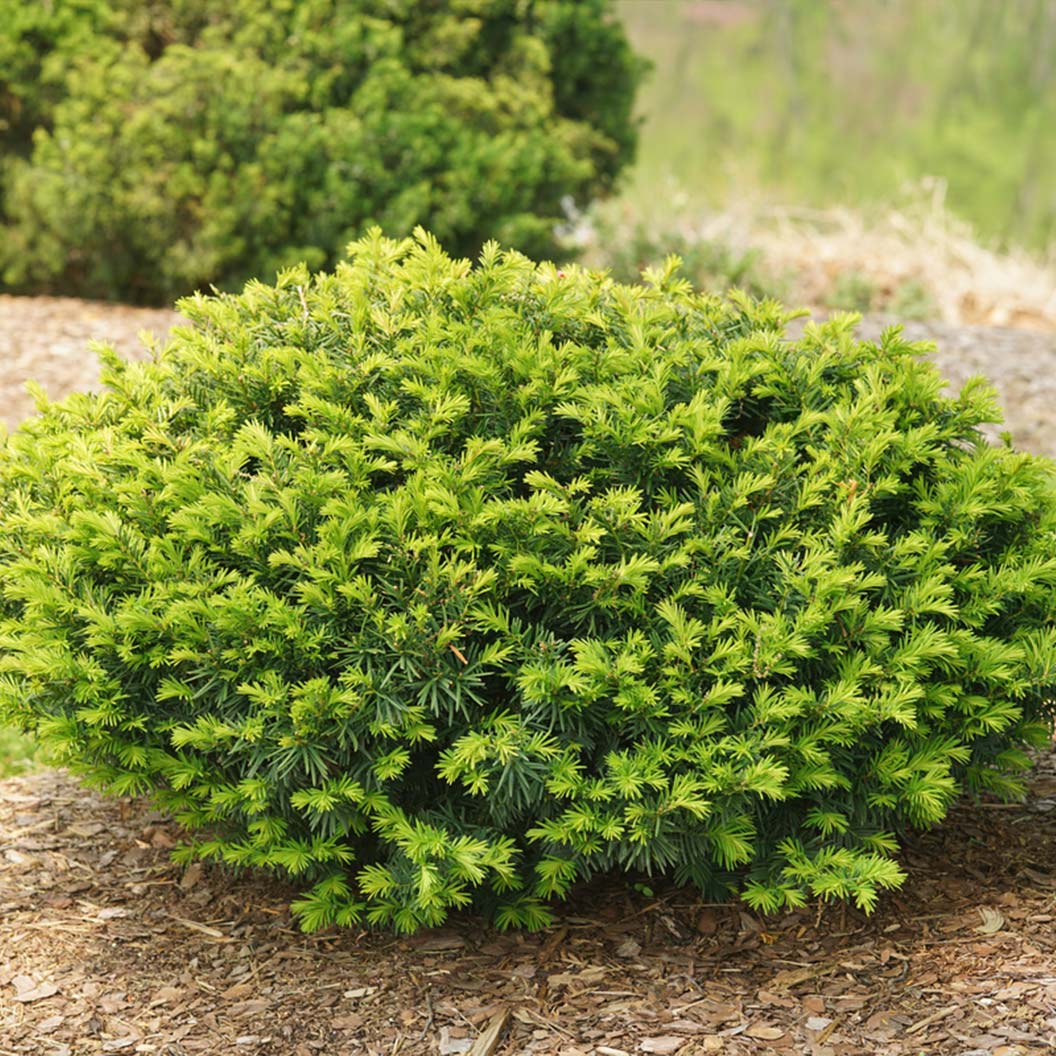
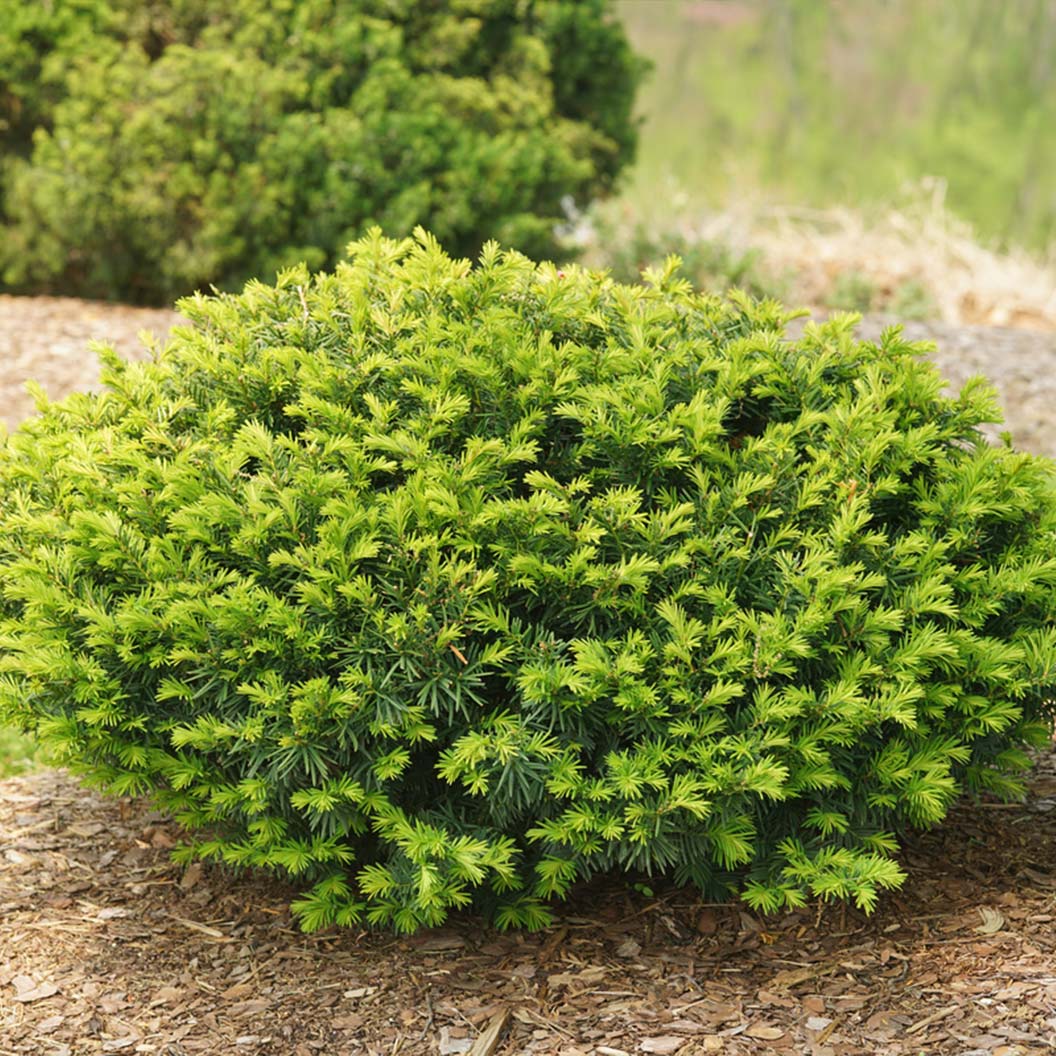
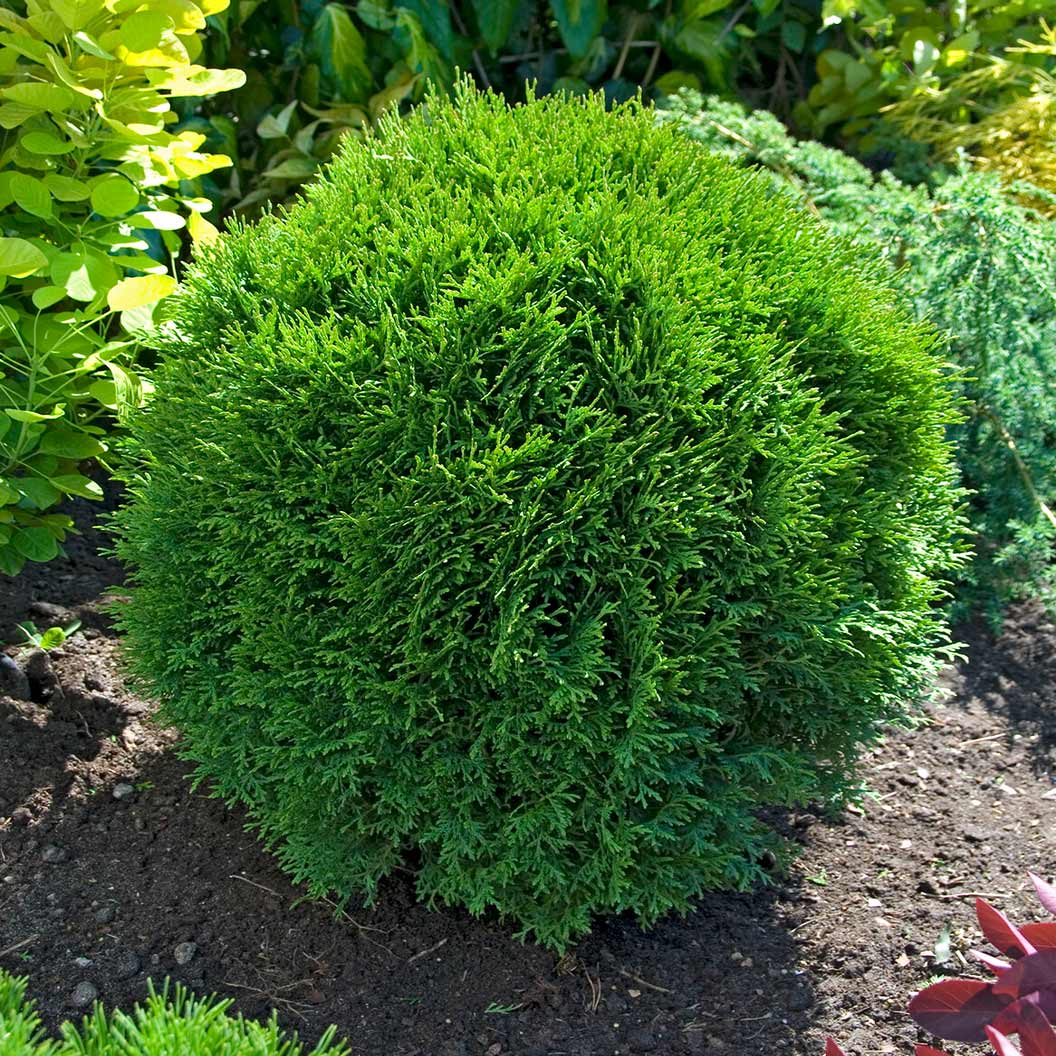
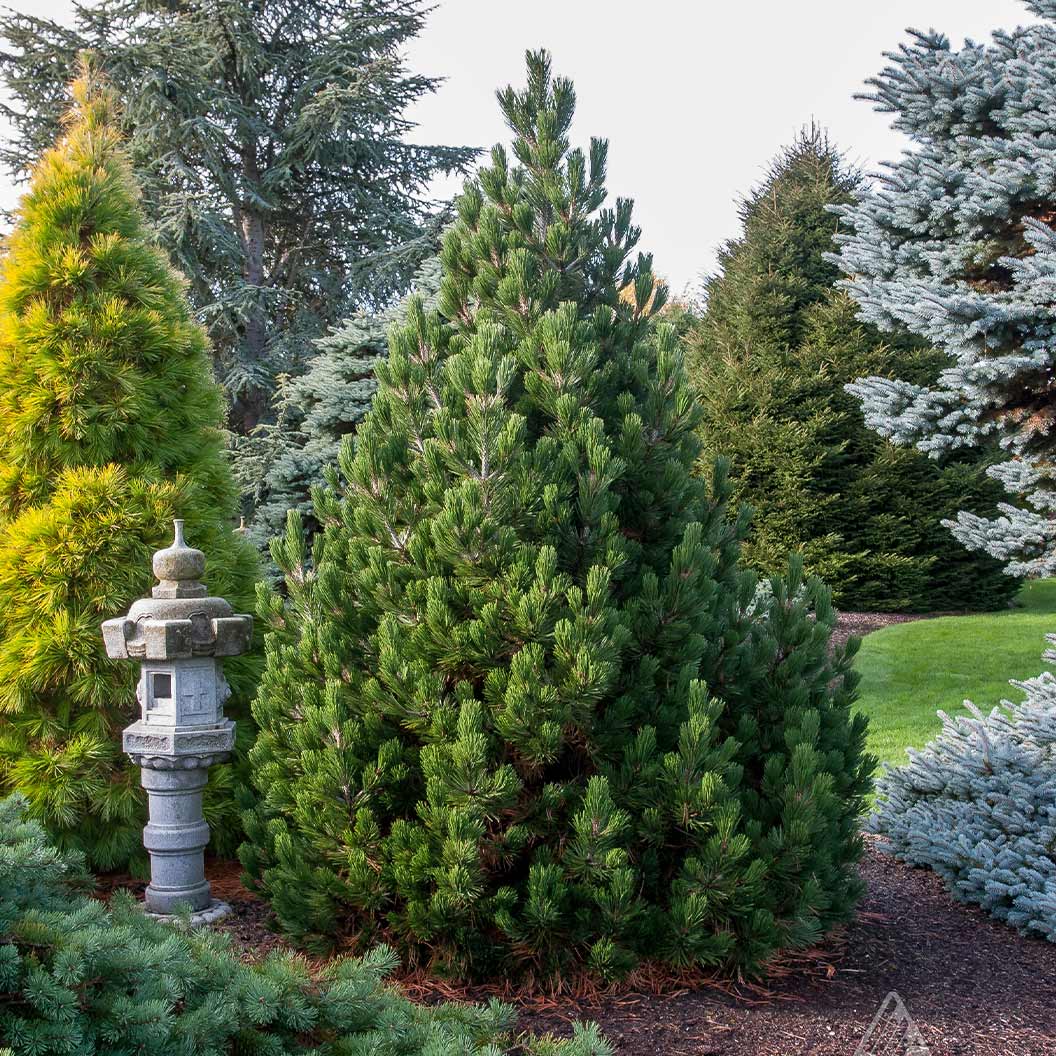
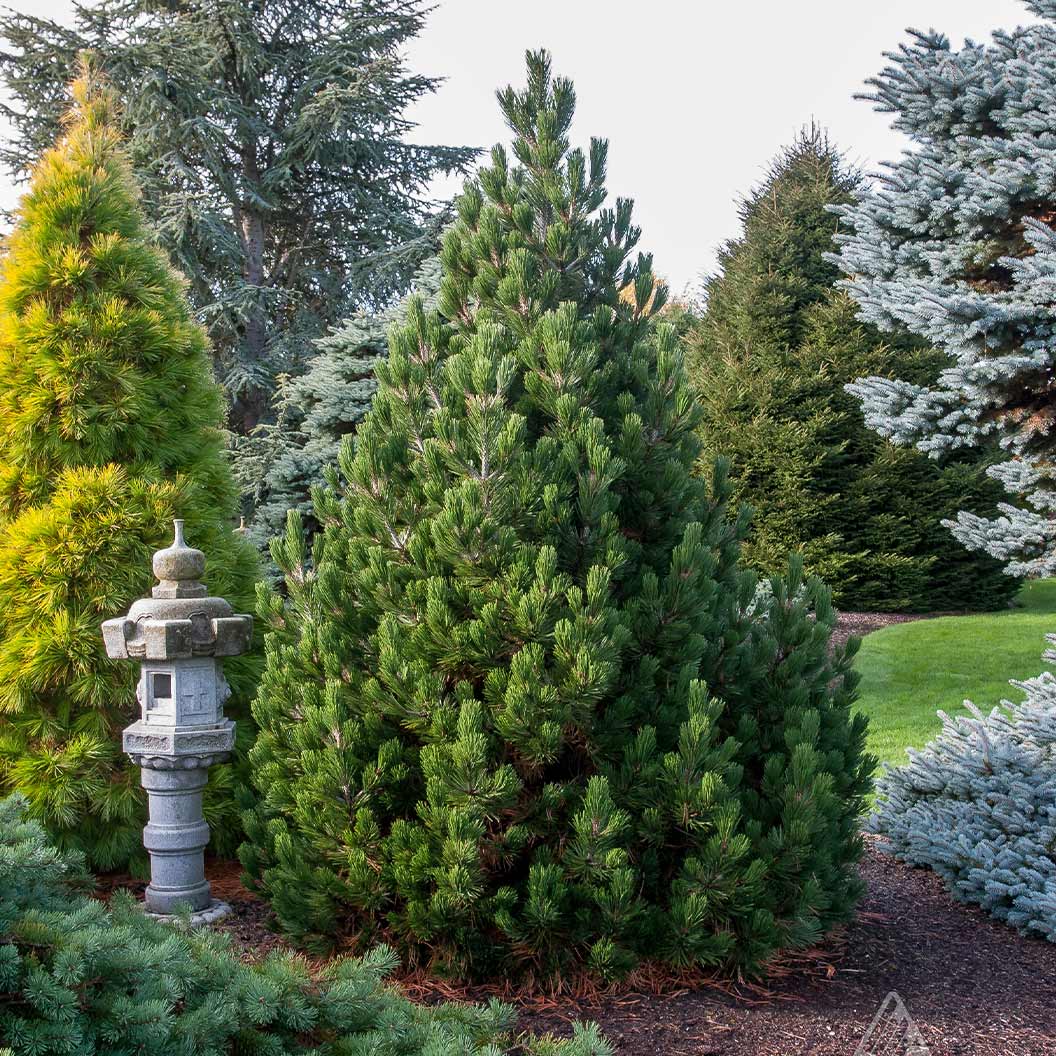
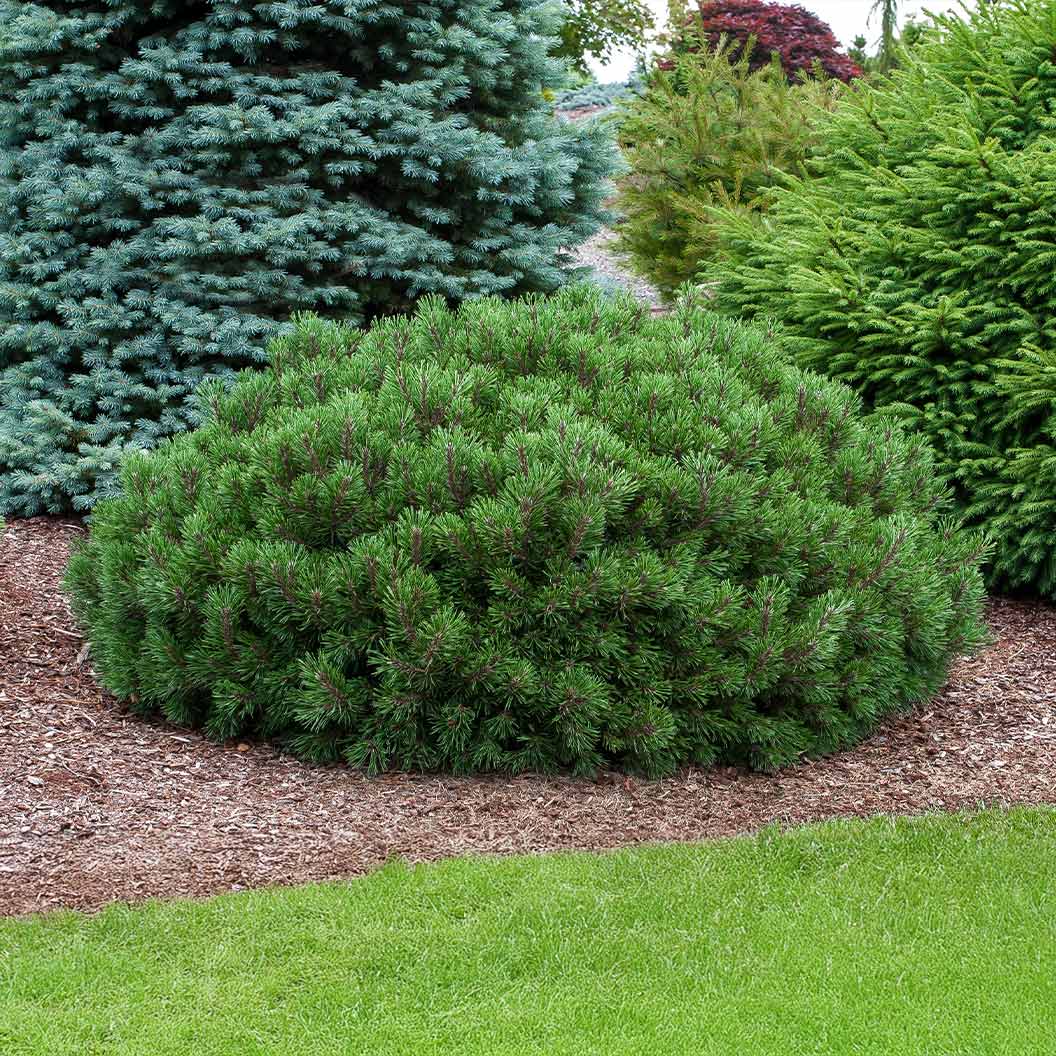
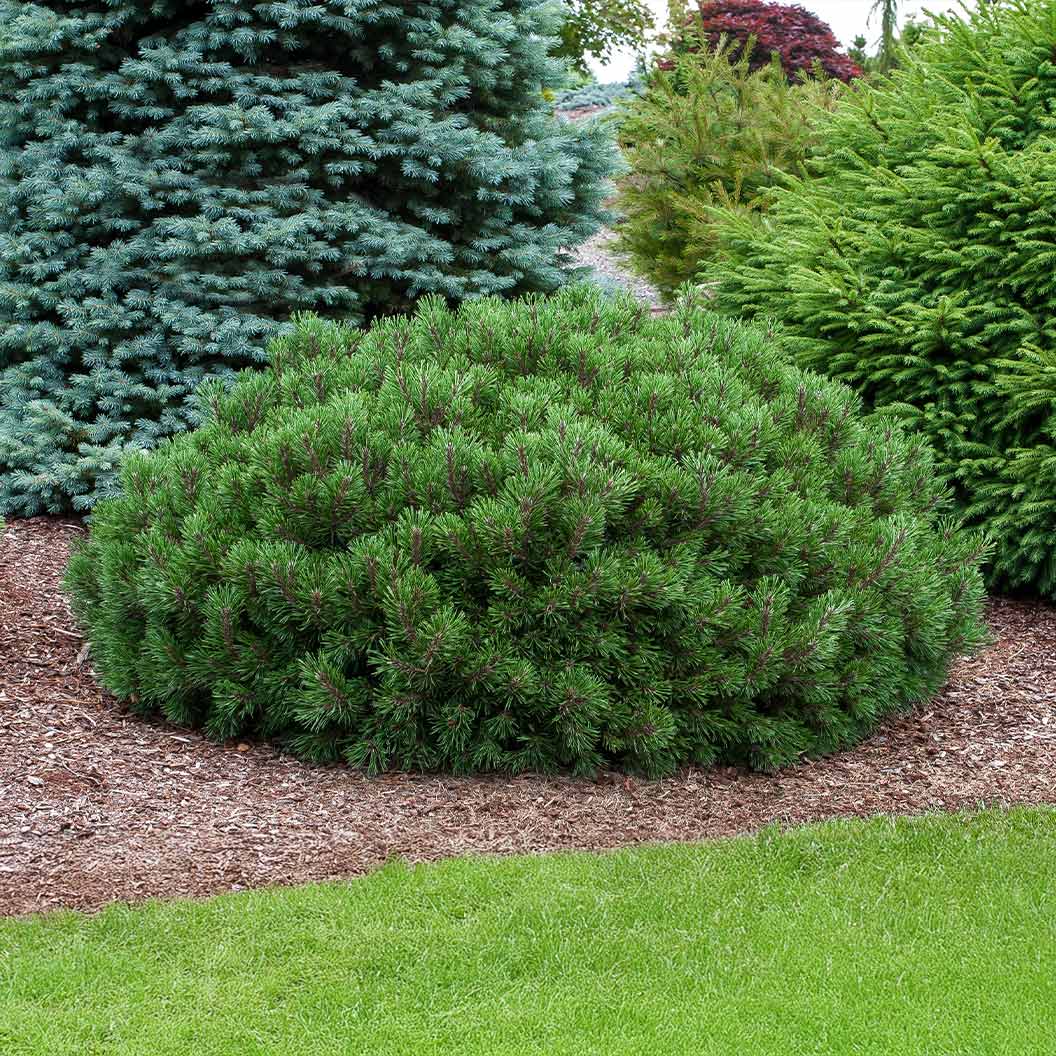
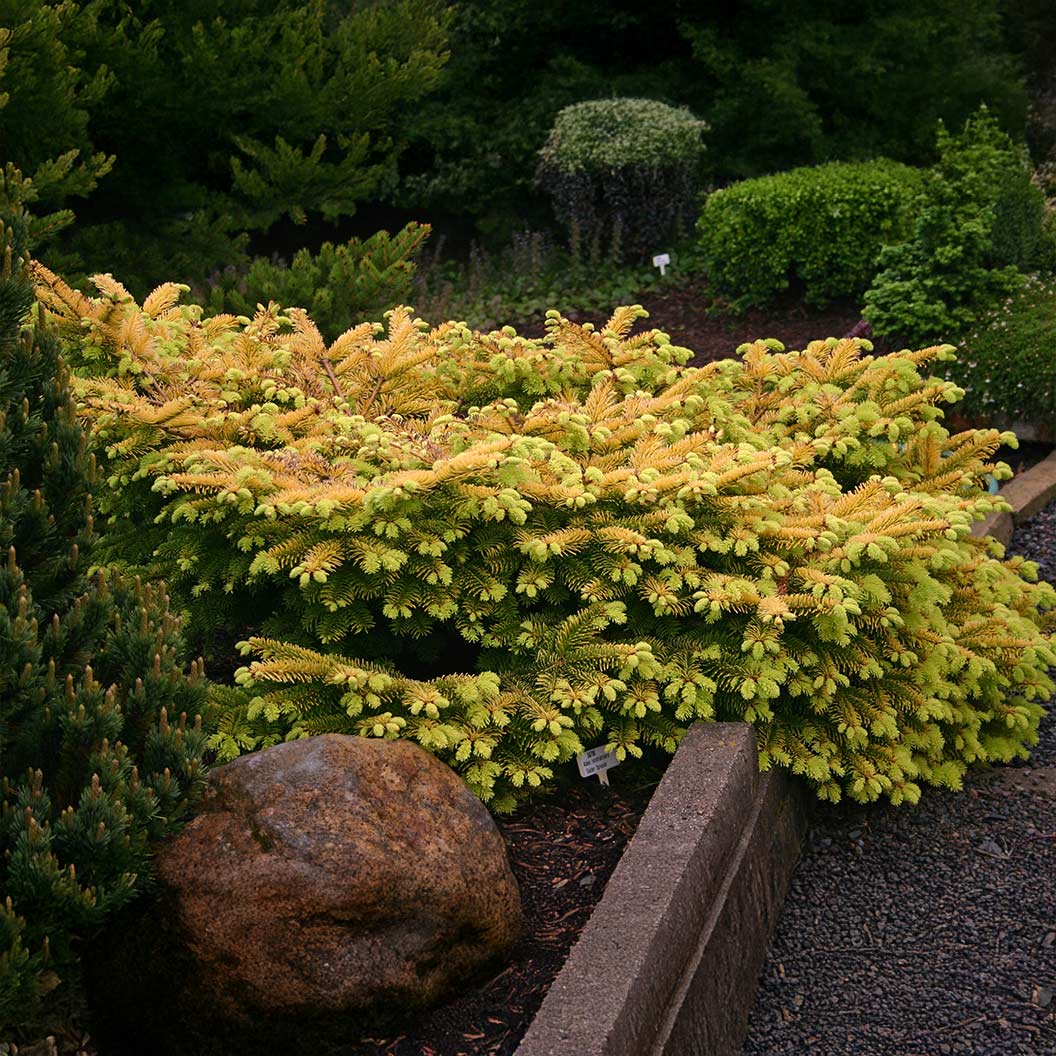
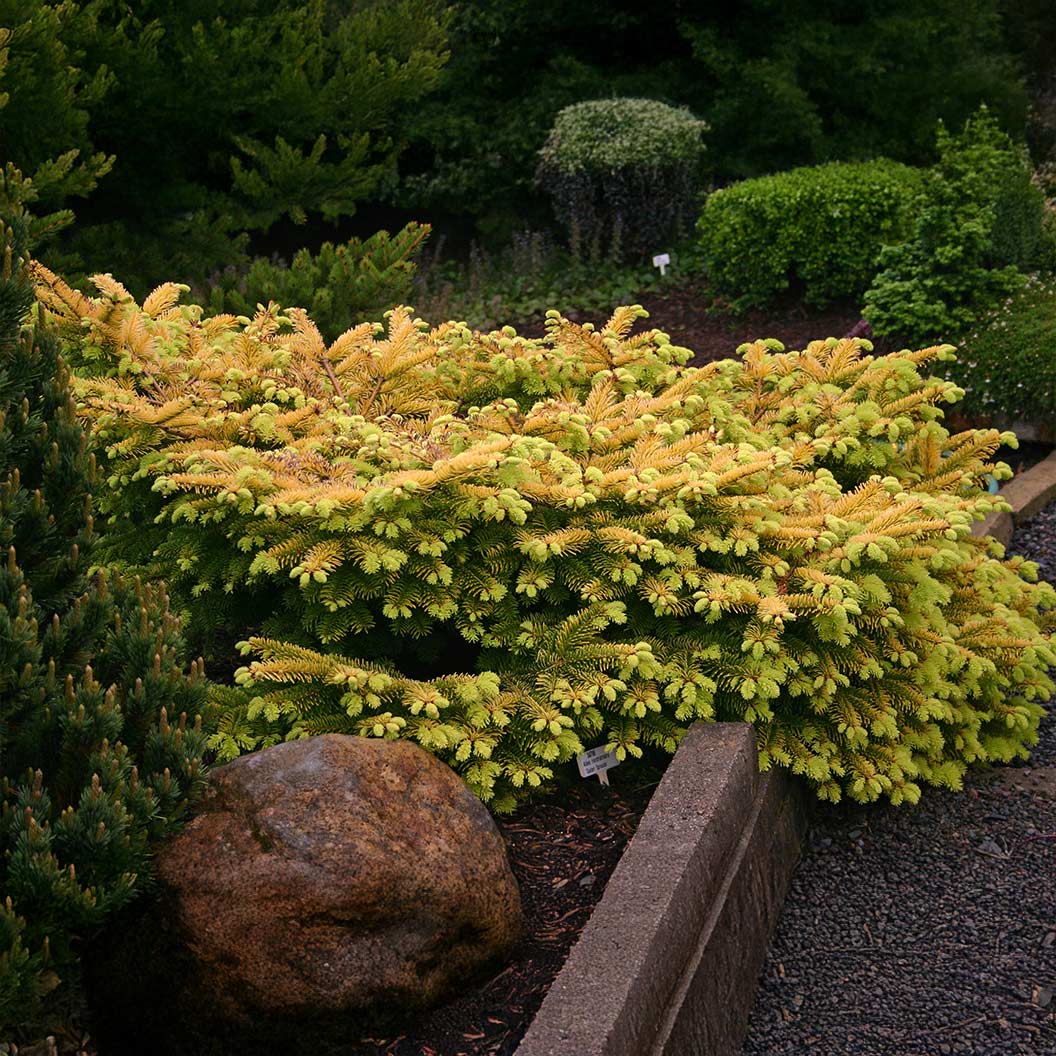
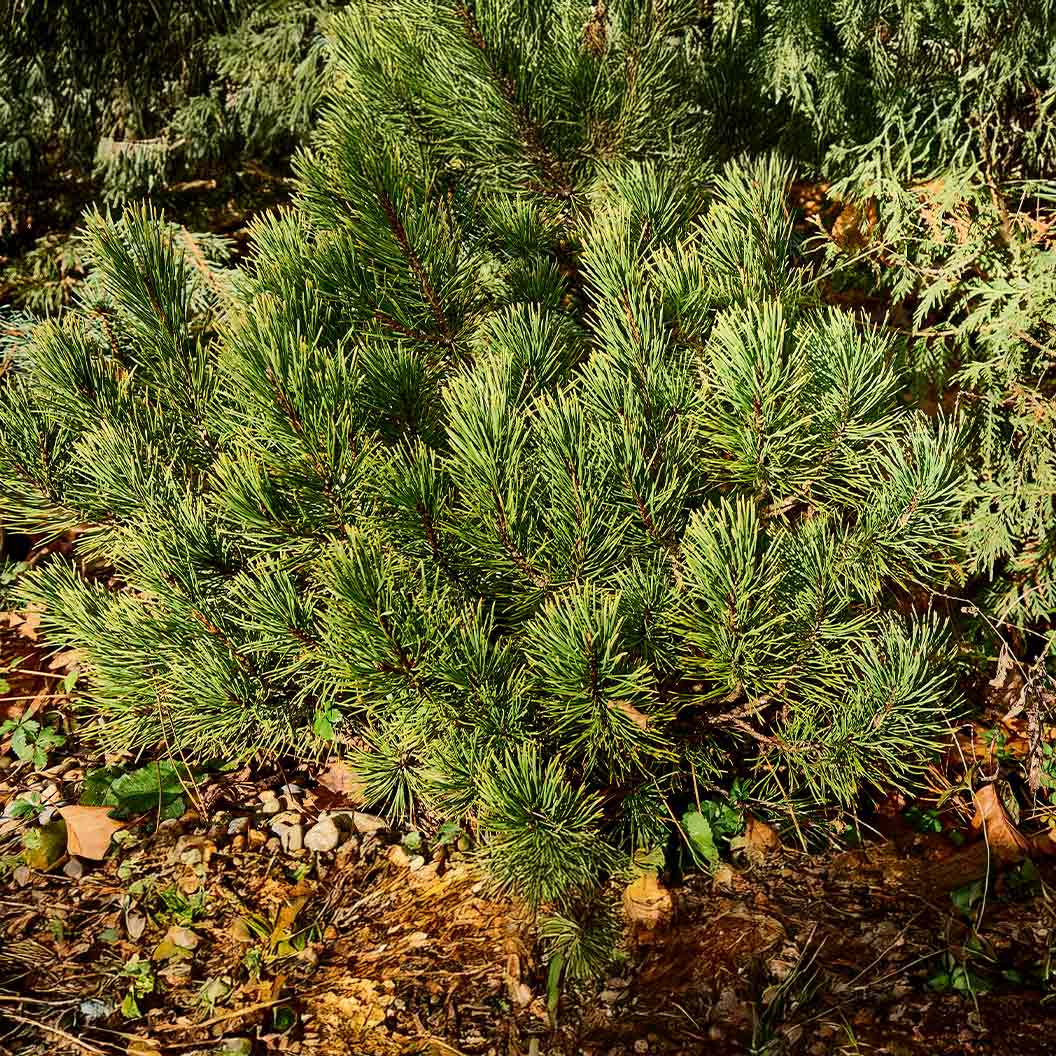
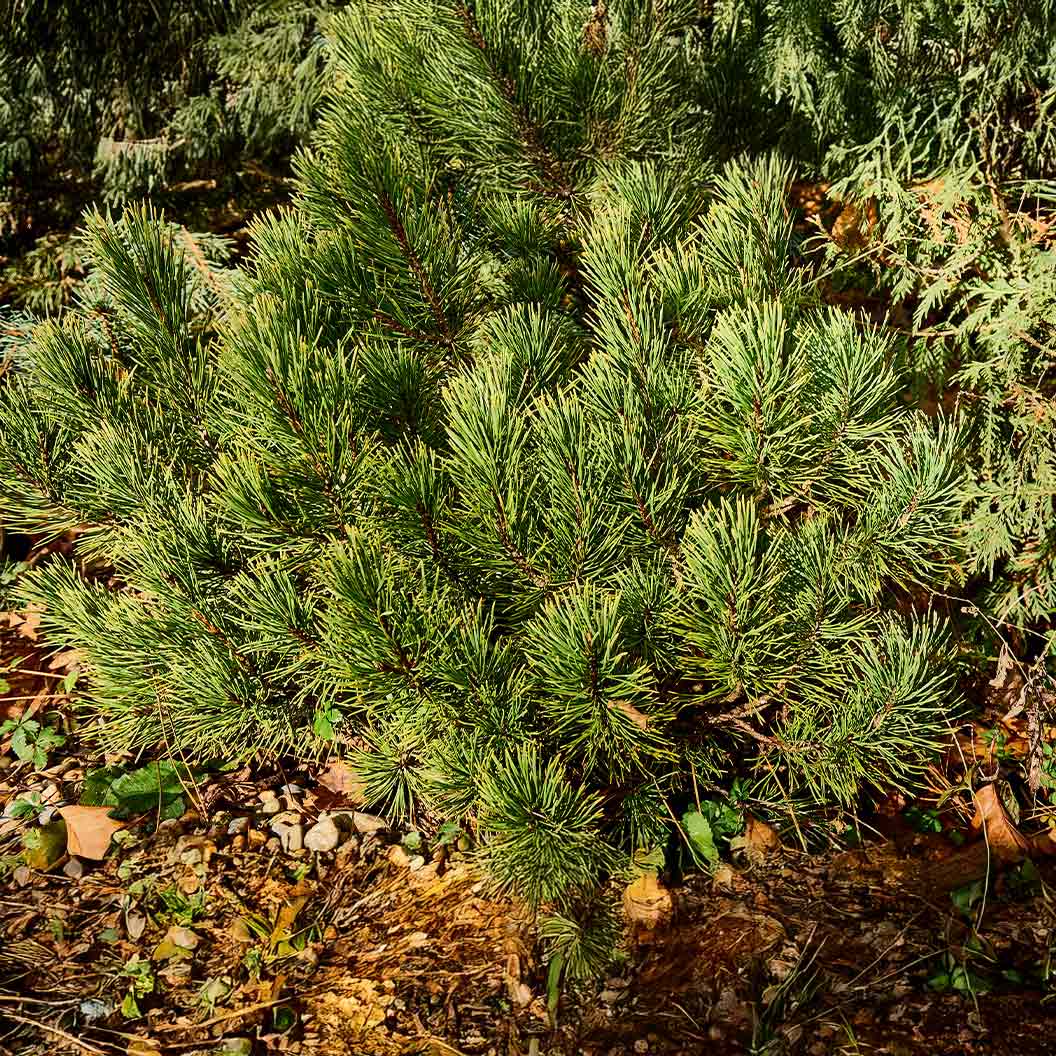
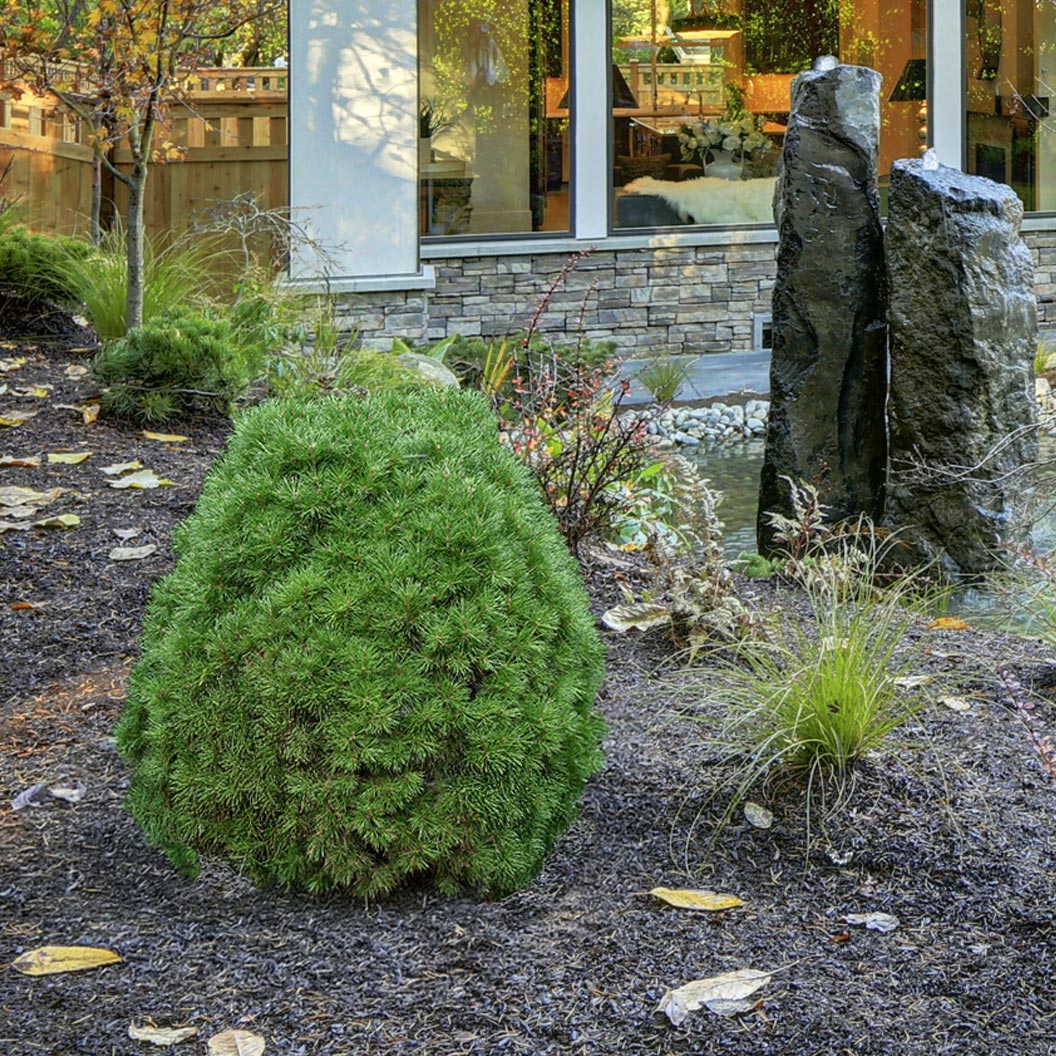
The Moseri Scotch Pine Tree is a captivating addition to any landscape, noted for its unique, compact form and striking seasonal color changes. During spring and summer, the foliage bursts forth in a deep green, providing a lush backdrop for your garden. As winter approaches, the needles transition to a brilliant golden-yellow, infusing your outdoor spaces with vibrant warmth even in the coldest months. This delightful contrast not only beautifies your landscape but also offers year-round interest that keeps your garden feeling alive and engaging.
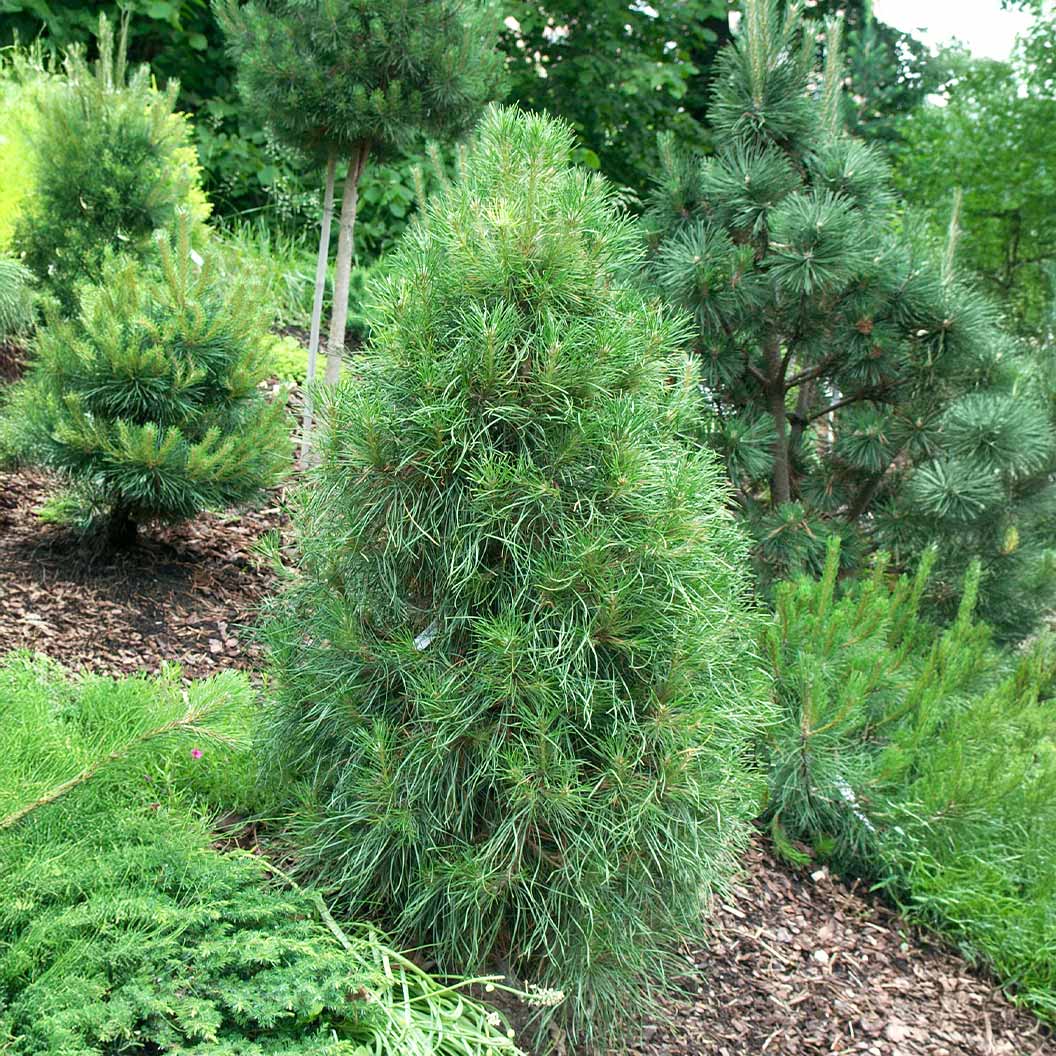
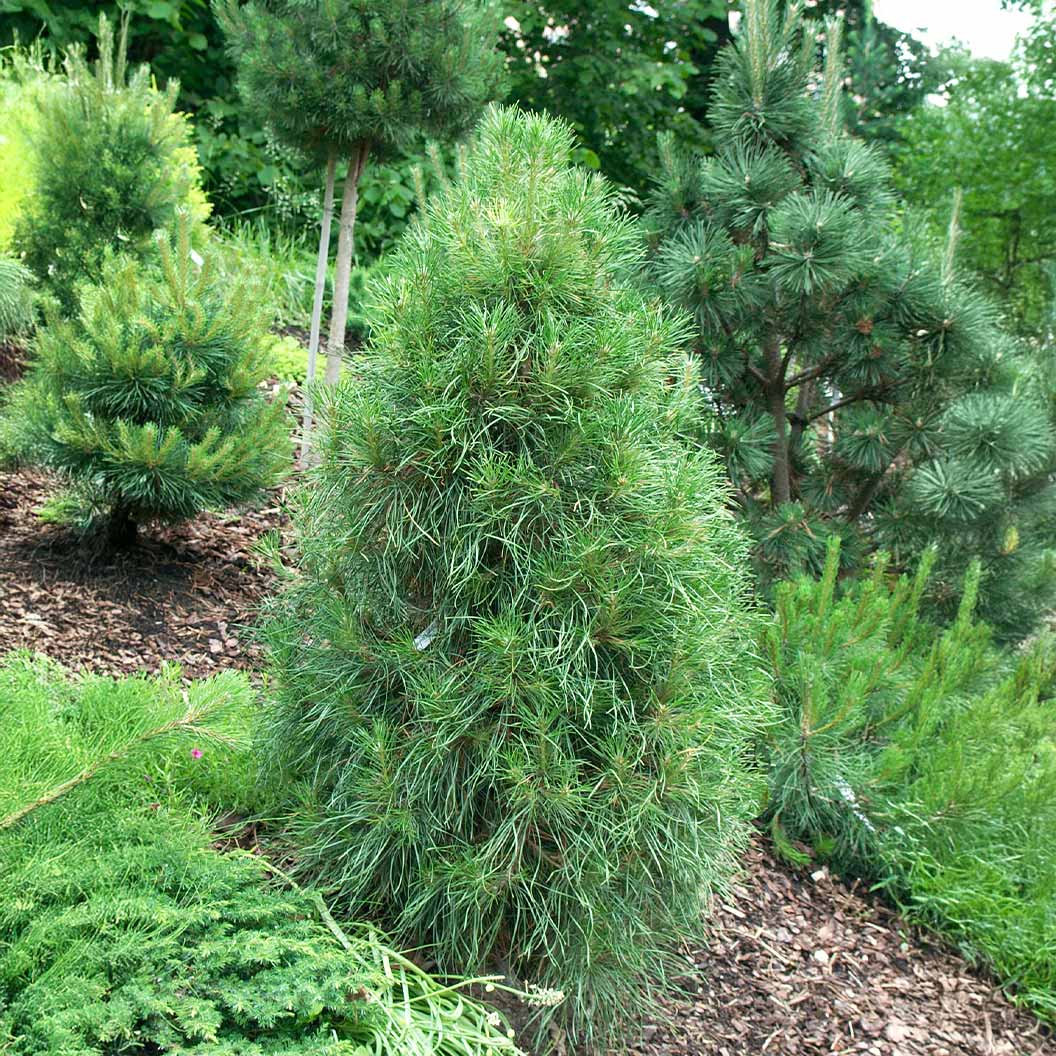
In addition to its aesthetic appeal, this tree is quite manageable in size, making it an excellent choice for smaller yards or as a lovely focal point among larger plantings. With exceptional cold hardiness even in Zone 3, the Moseri Scotch Pine thrives in climates with cold winters and cool, mild summers with low humidity. With its evergreen nature, this compact pine brings charm to gardens, patios, and even containers.
Planting & Care
1. Planting: Plant or repot within 4 weeks of arrival. Remove the stake and ties at planting, as these are only for shipping. Choose a location that receives full sun for optimal growth and ensure your soil is well-draining. Dig a hole twice the width of the root ball and equally deep. Backfill with a mix of native soil and compost for added nutrients.
2. Watering: Keep the soil consistently moist, especially during the first growing season. Once established, this plant is somewhat drought-tolerant but will thrive with regular watering. It’s best to water deeply during dry spells to encourage deep root growth.
3. Pruning: Minimal pruning is required for the Pinus sylvestris 'Moseri'. If necessary, shape it lightly in late winter or early spring before new growth begins. This will help maintain its desirable form without causing stress to the plant.
4. Fertilizing: Fertilizing is typically not required for this tree; however, if soil nutrients are low, consider applying a balanced, slow-release fertilizer in early spring. Always follow the recommended application rates to avoid over-fertilization.
A striking seasonal transformation
The Moseri Scotch Pine Tree is a captivating addition to any landscape, noted for its unique, compact form and striking seasonal color changes. During spring and summer, the foliage bursts forth in a deep green, providing a lush backdrop for your garden. As winter approaches, the needles transition to a brilliant golden-yellow, infusing your outdoor spaces with vibrant warmth even in the coldest months. This delightful contrast not only beautifies your landscape but also offers year-round interest that keeps your garden feeling alive and engaging.
In addition to its aesthetic appeal, this tree is quite manageable in size, making it an excellent choice for smaller yards or as a lovely focal point among larger plantings. With exceptional cold hardiness even in Zone 3, the Moseri Scotch Pine thrives in climates with cold winters and cool, mild summers with low humidity. With its evergreen nature, this compact pine brings charm to gardens, patios, and even containers.
Planting & Care
1. Planting: Plant or repot within 4 weeks of arrival. Remove the stake and ties at planting, as these are only for shipping. Choose a location that receives full sun for optimal growth and ensure your soil is well-draining. Dig a hole twice the width of the root ball and equally deep. Backfill with a mix of native soil and compost for added nutrients.
2. Watering: Keep the soil consistently moist, especially during the first growing season. Once established, this plant is somewhat drought-tolerant but will thrive with regular watering. It’s best to water deeply during dry spells to encourage deep root growth.
3. Pruning: Minimal pruning is required for the Pinus sylvestris 'Moseri'. If necessary, shape it lightly in late winter or early spring before new growth begins. This will help maintain its desirable form without causing stress to the plant.
4. Fertilizing: Fertilizing is typically not required for this tree; however, if soil nutrients are low, consider applying a balanced, slow-release fertilizer in early spring. Always follow the recommended application rates to avoid over-fertilization.
Original: $123.00
-65%$123.00
$43.05Description
A striking seasonal transformation
The Moseri Scotch Pine Tree is a captivating addition to any landscape, noted for its unique, compact form and striking seasonal color changes. During spring and summer, the foliage bursts forth in a deep green, providing a lush backdrop for your garden. As winter approaches, the needles transition to a brilliant golden-yellow, infusing your outdoor spaces with vibrant warmth even in the coldest months. This delightful contrast not only beautifies your landscape but also offers year-round interest that keeps your garden feeling alive and engaging.
In addition to its aesthetic appeal, this tree is quite manageable in size, making it an excellent choice for smaller yards or as a lovely focal point among larger plantings. With exceptional cold hardiness even in Zone 3, the Moseri Scotch Pine thrives in climates with cold winters and cool, mild summers with low humidity. With its evergreen nature, this compact pine brings charm to gardens, patios, and even containers.
Planting & Care
1. Planting: Plant or repot within 4 weeks of arrival. Remove the stake and ties at planting, as these are only for shipping. Choose a location that receives full sun for optimal growth and ensure your soil is well-draining. Dig a hole twice the width of the root ball and equally deep. Backfill with a mix of native soil and compost for added nutrients.
2. Watering: Keep the soil consistently moist, especially during the first growing season. Once established, this plant is somewhat drought-tolerant but will thrive with regular watering. It’s best to water deeply during dry spells to encourage deep root growth.
3. Pruning: Minimal pruning is required for the Pinus sylvestris 'Moseri'. If necessary, shape it lightly in late winter or early spring before new growth begins. This will help maintain its desirable form without causing stress to the plant.
4. Fertilizing: Fertilizing is typically not required for this tree; however, if soil nutrients are low, consider applying a balanced, slow-release fertilizer in early spring. Always follow the recommended application rates to avoid over-fertilization.